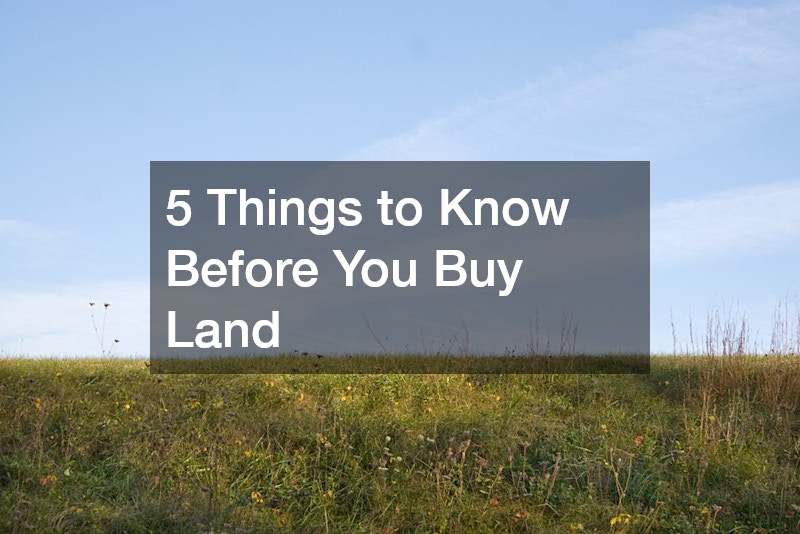
Buying land can be one of the smartest financial and lifestyle decisions you ever make. Whether you’re dreaming of building a home, investing for the future, or creating more space for hobbies and outdoor living, owning land gives you a powerful sense of freedom and possibility. It also opens the door to customizing your environment in ways that existing homes may not allow. With the right piece of property, you can design a living space that truly reflects your long-term goals. But before you jump into a purchase, it’s important to understand the unique considerations that come with buying raw or undeveloped property. Video Source
1. Location Matters Even More Than You Think
When you’re buying an existing home, you naturally consider location—schools, commute times, neighborhood character, local amenities. With land, those factors are just as important, but there’s more to it. You need to consider long-term development plans in the area, zoning regulations, access to utilities, and environmental features that might affect construction. Before purchasing, research what the surrounding area might look like in five, ten, or even twenty years. Is it growing? Are new highways, schools, or commercial projects planned? Will the property maintain its value? Also, consider the physical placement of the land. Is it near major roads? Does it have potential for appreciation? If you’re searching for available land, location will ultimately determine whether your future plans are feasible, enjoyable, and profitable.
2. Understand Zoning and Land Use Restrictions
Zoning laws dictate what you can and cannot do with a piece of property. Even if land looks perfect, you need to confirm that it’s legally suitable for your intended use. Some common zoning classifications include residential, agricultural, commercial, industrial, and mixed-use. If you’re planning to build a house, ensure the land is zoned for residential use. If you hope to farm, breed animals, or run a business from your property, you’ll need zoning that permits it. Zoning restrictions can also include things like building height limits, minimum lot sizes, and distance requirements from water sources or property lines. Many buyers are surprised to learn that even rural properties have strict land-use rules. Always request a zoning map and verify restrictions with your county or city planning office before committing to a purchase of available land.
3. You Must Investigate Utilities and Access
Before buying land, it’s critical to find out whether it has access to essential utilities: electricity, water, gas, sewer, and high-speed internet. Some rural properties lack these services, and connecting them can be expensive. In some cases, you may need to drill a well, install a septic system, or run power lines from a significant distance. These costs can quickly add tens of thousands of dollars to a project. You must also confirm legal access to the property. Some land is “landlocked,” meaning it is surrounded by other parcels with no public road access. If the only way to reach a parcel is through another person’s property, you’ll need an easement—legal permission to cross that land. Without it, banks may refuse financing, and construction becomes nearly impossible.
4. Conduct a Thorough Site Evaluation
A professional site evaluation can reveal issues that might not be immediately visible. Soil quality, drainage, terrain, flood zones, and environmental protections can all affect your ability to build or develop the property.
For example:
- Rocky soil might require blasting to lay a foundation.
- Wet or clay-heavy soil might need expensive engineering work.
- Low-lying areas may require flood insurance or be ineligible for building.
- Protected wetlands or habitats may restrict development.
A survey is also essential. It marks boundary lines and ensures you know exactly what you’re buying. This step prevents future disputes with neighbors and helps builders plan accurately.
5. Buying Land Can Upgrade Your Home and Lifestyle
One of the biggest advantages of purchasing land is the ability to upgrade your home and elevate your quality of life. When you buy land, you gain the freedom to design your living space exactly the way you want. For instance, you can do custom layouts, optimal privacy, additional outdoor amenities, and room for future expansion. If you already own a home, purchasing land nearby can provide space for additional storage, recreation, or investment opportunities. You can add a guest house, workshop, garden, or even start a small homestead. If you’re building from scratch, land gives you complete control over your home’s orientation, view, size, and style.
By choosing available land that matches your lifestyle goals, you can create a property that grows with you—whether that means adding rental units for income, creating a backyard oasis, expanding your living space, or simply enjoying more peace and quiet. Buying land is an exciting adventure, but it requires thorough research, planning, and professional guidance. By understanding location factors, zoning regulations, utility access, site conditions, and the long-term benefits of ownership, you can make a smart investment that enhances both your financial future and your everyday life. Take your time, explore your options, and envision the lifestyle you want.